
The Definitive Guide for 2026 to Damp Proofing & Specialized Chemical Paints
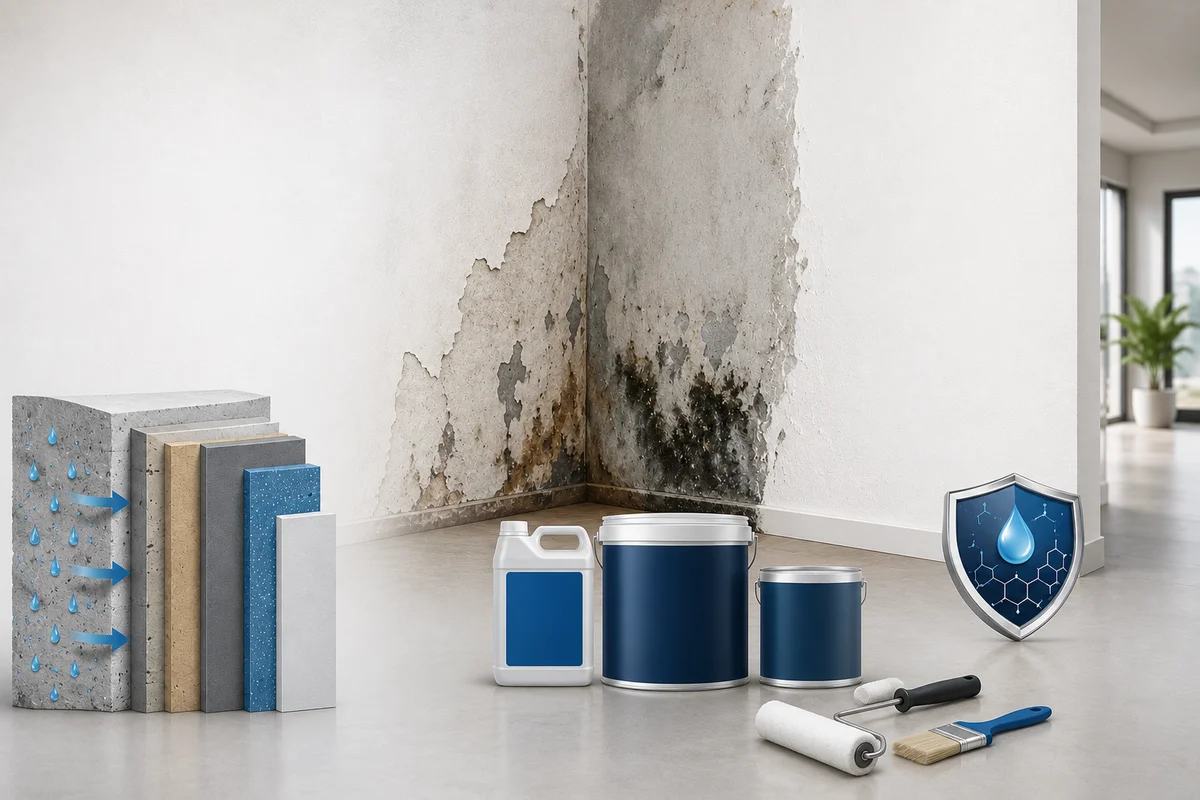
A wonderful looking wall in Delhi, Noida or Gurgaon is as good as what kind of protection the plaster layer offers underneath. We may take months to decide on our "teal" or "dusty rose," but we spend not even five minutes thinking about how healthy or sick our plaster walls are. In the extreme climatic conditions of North India, going from summers as hot as 48°C to extreme monsoon rains, we are constantly at war with our walls.
Thousand upon thousand of people each year suffer the agony of their expensive emulsion paints or velvet finishes being spoilt by the dreaded duo of "Seelan" (dampness) and saltpeter (efflorescence). While many blogs write about the choice of colors for painting, this one will tell you about the strength and longevity of your building. By using advanced techniques like damp-proof wall painting and chemical solutions, you will keep moisture at bay!
Why "Standard" Paint Fails in the Modern Indian Climate
While most owners consider dampness as a purely aesthetic problem, covering the affected surfaces with another coat of emulsion. However, this step is fundamentally wrong, since traditional decorative paintings are primarily aimed at making structures more appealing. They are breathable and cannot protect surfaces from hydrostatic pressure caused by broken pipes, faulty exterior water drains, or ground dampness.
By 2026, the building industry will be oriented on anti-carbonation coats. These special surface finishes block Carbon Dioxide and moisture from entering the surface of the material. The latter causes decrease of pH levels in the concrete, making it prone to corrosion and expansion of metal rebar that eventually leads to cracking of concrete from within.
Interior Waterproofing: Not Just Skin Deep
In case you detect paint blisters or white powder (known as saltpeter), it is time to invest in waterproofing measures on your interiors.
- Three-Step Process:
- Pre-Application Surface Preparation: Before any chemical treatment, the substrate must be mechanically scraped to remove loose plaster and old paint. This is followed by neutralising the surface with a mild acid wash to remove deep-seated salts, ensuring the subsequent chemicals can bond directly to the masonry rather than a layer of dust or contaminants.
- Sanitization: The killing of mold spores inside the plaster by use of antimicrobial washes.
- Base Injection Treatment (Crystalline Mechanism): This involve injecting reactive silicate-based fluids into the wall. These chemicals react with the calcium hydroxide in the brick and mortar to form non-soluble crystals. These crystals grow within the capillary tracts and pores, physically blocking the passage of liquid water while still allowing the wall to "breathe" vapour.
- Epoxy Priming: These primers work differently from conventional primers since they form a watertight seal when applied like liquids.
Diagnosing the Source: Three Types of Dampness
Effective damp proofing begins with accurate diagnosis. Not all moisture issues are the same, and a correct treatment depends on identifying the source.
- Rising Damp: This occurs when ground water travels upwards through the brickwork and plaster via capillary action, commonly seen in ground floor rooms and older constructions. This typically forms a tide mark low on the wall. Treatment often involves injecting a new chemical damp proof course (DPC) into the wall base.
- Penetrating Damp: The most common issue during the monsoon, where water leaks horizontally through structural defects like cracked render, damaged rooflines, or faulty window seals. This is often irregular in appearance and can occur anywhere on the wall. Elastomeric coatings are highly effective against this.
- Condensation: A result of high internal humidity meeting cold wall surfaces, leading to surface moisture, frequently observed in kitchens and bathrooms. While often confused with structural dampness, this is primarily an airflow and heating issue and is best solved with improved ventilation and anti-condensation paints.
- The Professional Toolkit:
- Moisture Meters: Handheld pin or pinless meters provide quantitative data on the percentage of moisture within the substrate, allowing professionals to map out the exact spread of dampness that may be invisible to the naked eye.
- Thermal Imaging: Infrared cameras detect temperature variations on wall surfaces. Since damp areas are typically cooler due to evaporative cooling, thermal imaging can pinpoint hidden leaks behind tiles or deep within structural cavities without destructive testing.
The Monsoon Shield: Best Exterior Paints for 2026
The external walls are the first barrier to be considered. The best exterior paint that protects against monsoons today is not simply a "thick paint." It is an elastomeric coating.
These elastomers can "bridge cracks." When the temperature varies widely between freezing and intense heat in northern India, the paint stretches but does not crack. In this way, it keeps water out from entering any cracks during the heavy rains of July and August.
This exceptional performance is due to the high concentration of acrylic polymers within the coating. These polymers allow the film to maintain elasticity, often achieving elongation rates exceeding 300% without fracturing the protective layer. The typical elastomeric application involves a thick, multi-layer system that creates a continuous, seamless waterproof membrane over the substrate. This specialized film not only repels water but also has high resistance to UV degradation, ensuring that the critical ability to stretch and contract is preserved year after year, offering superior longevity compared to standard, less flexible exterior emulsion paints.
Effects on Health Due to Damp Walls
Damp proofing is a basic need from a health point of view. Damp walls are breeding grounds for fungi such as Aspergillus and Stachybotrys (black mold). These organisms release microscopic spores and mycotoxins into the air, which can lead to chronic respiratory issues, persistent coughing, and severe asthma attacks, particularly in children and the elderly.
Beyond respiratory distress, constant exposure to high humidity and mold indoors triggers allergic rhinitis and skin irritations. The indoor air quality (IAQ) is further compromised as damp conditions promote the proliferation of dust mites. A home with damp walls effectively traps pollutants, creating a stagnant environment that can lead to "Sick Building Syndrome," characterized by headaches, fatigue, and a general decline in the occupants' immune health.
When one hires professionals such as HomeGlazer painters in Delhi NCR to do chemical painting, he does not only pay for the paints, but he pays for good air to breathe. This is because professionals will be able to detect any invisible leakages using the moisture meters before applying a single stroke of paint.
Cost Benefit: The Price of Prevention
The question often raised about the cost of preventing dampness in walls in Delhi NCR is whether damp proofing is worth the expense, even though a damp proof coating costs an additional 30%-50% compared to regular plastic emulsion paint.
- No Repainting: No need to repair peeling patches every two years.
- Structural Stability: Keeps the wall intact.
- Resale/Rental Value: A dry wall increases the market value of the property.
Sustainable and Smart Coatings – The 2026 Edge
The most recent breakthrough in protective paints is the use of nano technology based coatings. They are "super hydrophobic", meaning that when water rolls off it takes the dust along with it. Self-cleaning feature of these coatings is critical in the highly dusty surroundings of Noida and Greater Noida.
Conclusion: Future-proofing your Home
Home is your biggest investment. Do not let the moisture affect it. From aesthetic appeal to actual protection, this is the essence of a modern Indian home. In future plans for your home, ensure that you give more importance to the "shield" than the "shade".